The Interview Date Isn't Your Clock
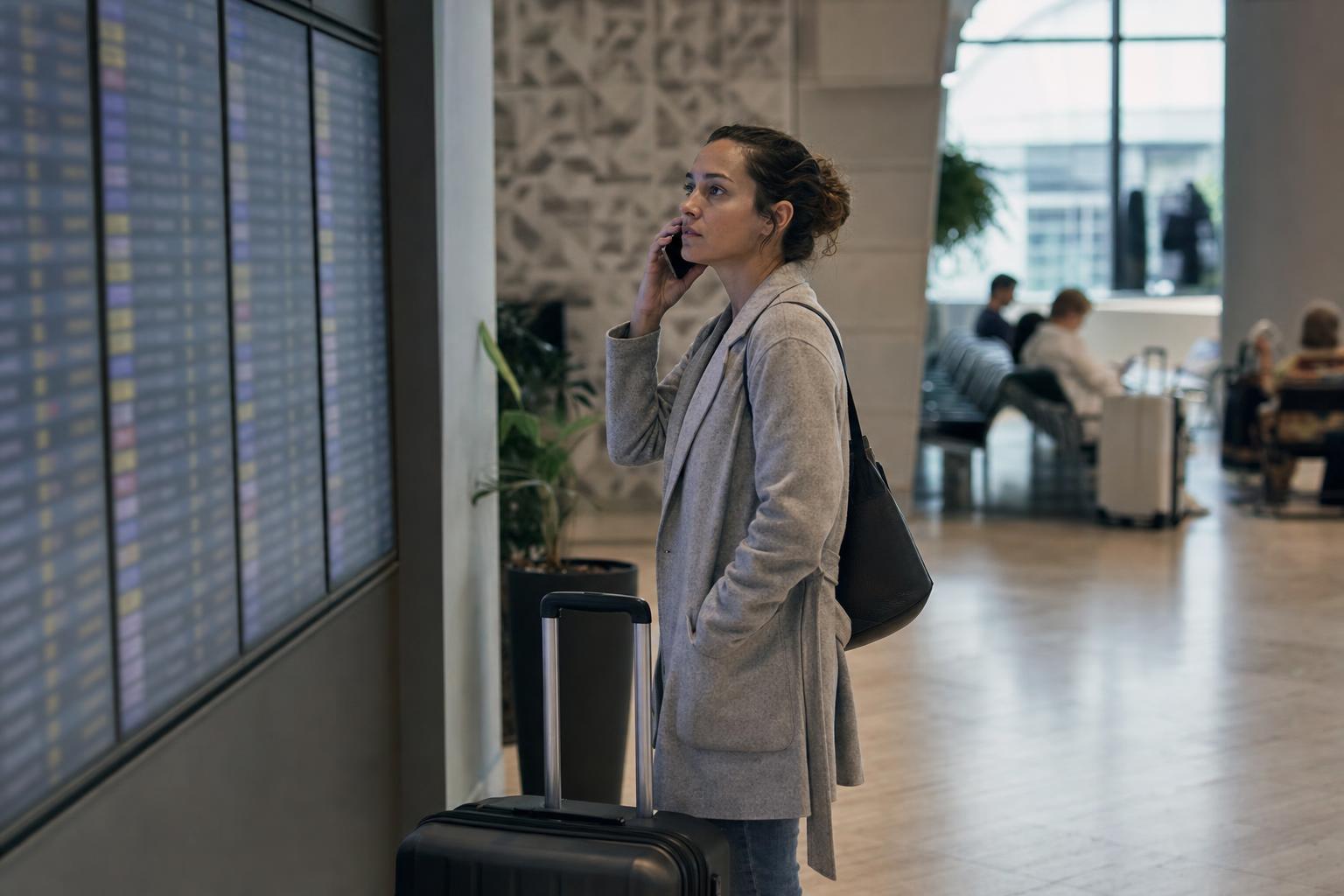
An applicant assumed her interview date settled her timeline — it didn't, and the gap between the two clocks now threatens to cost her lawful re-entry to the US.
The case is simple to describe and easy to miss. An applicant adjusted her status from a B2 visitor visa in October, moving from tourist to green card applicant inside the United States. By the following spring, her case had progressed far enough that US Citizenship and Immigration Services scheduled her interview for mid-June.
Then life intervened. A parent died, and she needed to travel abroad for the funeral in late May — three weeks before her interview. She had not applied for advance parole, the separate travel authorization required for anyone with a pending adjustment of status. Her reasoning was straightforward: an interview date was already on the calendar, so the case felt settled, moving, real. Surely that meant permission to travel was implied.
It wasn't. Advance parole and an interview date are managed by different processes, on different timelines, and neither one substitutes for the other. Having a scheduled interview says nothing about whether a person is authorized to leave the country and return. These are two separate clocks, and only one of them had been checked.
The second clock — unlawful presence — had been running the entire time, quietly, since well before the interview was scheduled. It doesn't pause for a pending case. It doesn't pause for good intentions or a filed application. Every day she spent believing her case was on track, that clock kept counting in the background, out of view, with real consequences attached.
This is what made the emergency so difficult to resolve. Her instinct — a reasonable one — was to ask whether the interview could simply be moved earlier, so she could travel and return before it. But an emergency doesn't get to renegotiate a government's timeline. The interview schedule and a person's real life were never synchronized to begin with; they run on separate tracks, and a family crisis doesn't merge them.
Without advance parole, leaving the country while an adjustment of status is pending — especially with unlawful presence already accrued — risks the applicant becoming unable to lawfully return at all. The outcome here is still unresolved. Whether she travels, delays, or forfeits the trip, the underlying lesson holds regardless of what she decides next.
The pattern is not that she made a careless choice. It's that she never knew there were two clocks to watch. She assumed the timeline she could see — the interview date — was the only one that mattered, and the one she couldn't see was quietly working against her.
The rules you're starting under — are they the rules you'll finish under?