The 'Inside Canada' Study Permit Mistake That Isn't About Being Inside Canada
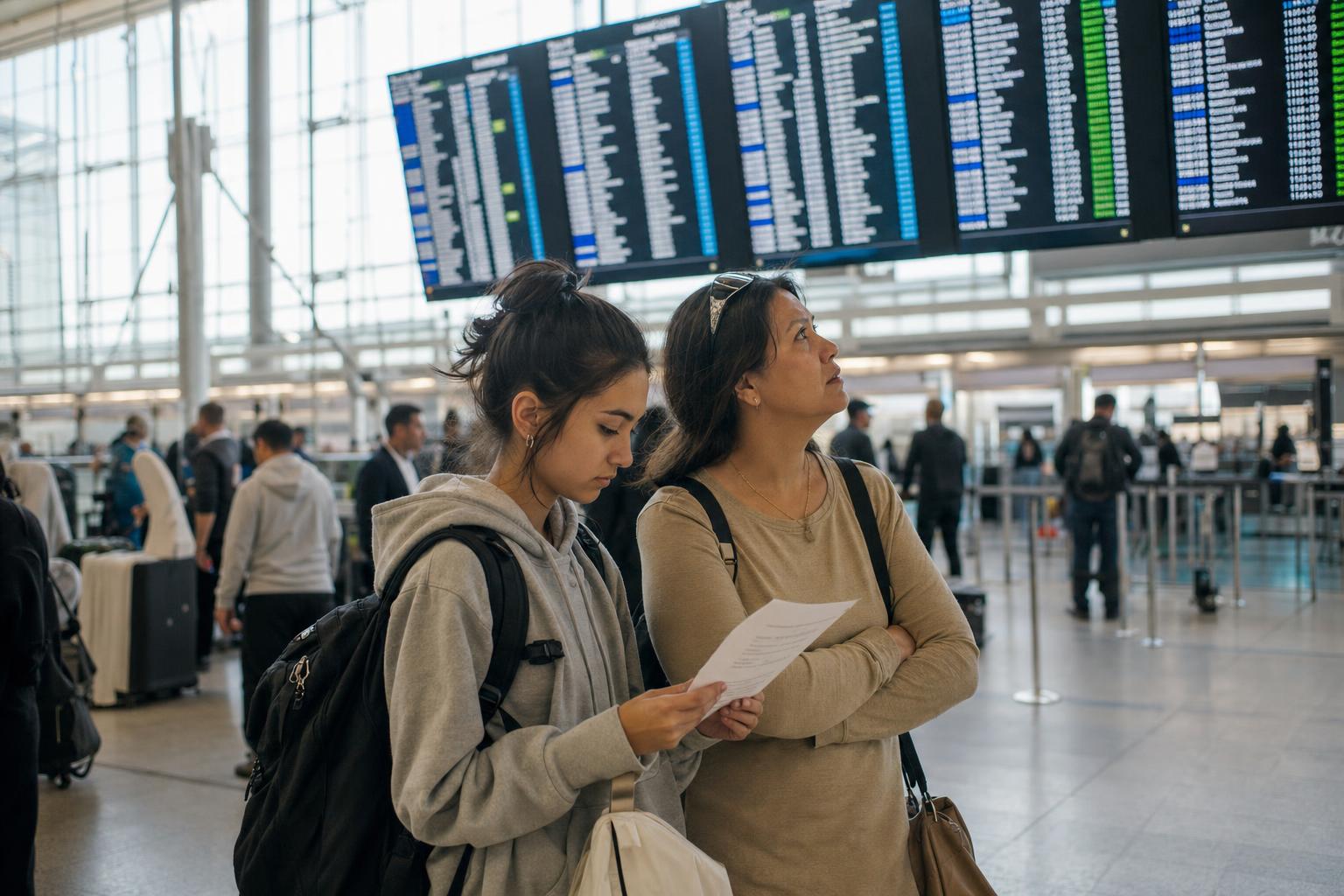
An 18-year-old's refusal shows why "am I here?" is not the question to ask before filing.
An 18-year-old was living in Canada on a visitor record, staying with a parent already established in the country, whose own status was moving toward a longer-term work authorization. When it came time to apply for her own study permit, she used the "inside Canada" application form. The reasoning felt obvious: she was physically in Canada, so she filed the version of the form meant for people inside Canada.
The application was refused. She was told she needed to apply from outside the country.
It wasn't a missing document or a typo. Her paperwork, as far as the case shows, was in order. What went wrong came before the paperwork: she answered a question the form wasn't asking.
"Inside" and "outside" sound like geography, and common sense says that if you're in the room, you use the "inside" form. But being in Canada answers "where am I?" It doesn't answer "which application is mine?" The form sorts applicants by their circumstances, not only by where they are standing, and it didn't matter how reasonable the assumption felt.
IRCC's own instruction for someone who cannot apply from inside Canada is to leave the country and apply from outside.
Which question is your own application actually answering?
One person's account. IRCC publishes the list of who can apply for a study permit from inside Canada.