A Wedding Ceremony Isn't Just a Ceremony — It Can Be a Legal Marriage Your Visa Never Accounted For
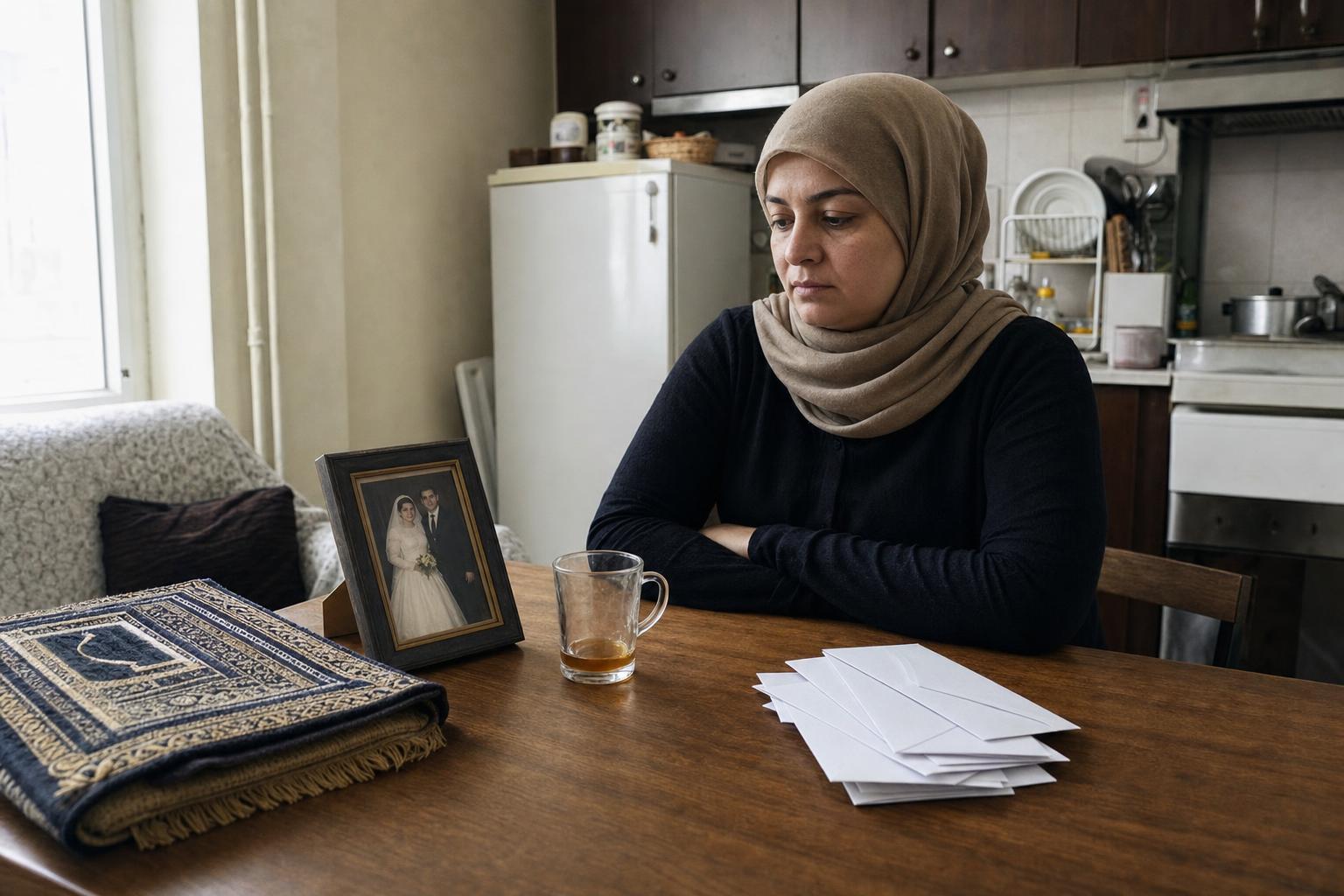
A fiancée petition depends on one legal state — unmarried — and that state isn't always the couple's to define.
A woman entered the United States on a K-1 fiancé visa, intending to marry her partner within the required 90-day window and then adjust her status. She believed the two of them were legally unmarried at the time the visa was issued. Years earlier, in her home country, the couple had held a religious ceremony — a nikah — but it had never been registered with any government authority. To her, no registration meant no marriage. It was a private, spiritual event, not a legal one.
That assumption sat quietly in the background for years, untouched by any immigration filing, until it wasn't background anymore.
When the couple filed the I-485 application for adjustment of status after their US wedding, they submitted documentation of the earlier religious ceremony as part of their history together. USCIS read it differently. Under Islamic law, the nikah was considered a legally binding marriage — and that recognition potentially extended into how US immigration authorities viewed it too. If the ceremony was a real marriage, then the couple had already been married before the K-1 visa was ever issued. The K-1 category exists specifically for unmarried couples. A pre-existing marriage doesn't just complicate that filing — it disqualifies it.
USCIS issued a Notice of Intent to Deny, citing possible misrepresentation and marriage fraud. Not because anyone had lied about a relationship. The relationship was real, the intention to marry was real. What broke the case was a legal fact nobody had gone looking for: whether an unregistered religious ceremony counted as a marriage under a law neither the couple, nor apparently their filing, had checked.
This is the pattern worth naming: a Hidden Link. It doesn't require dishonesty. It requires only that someone assume two parts of their life are separable — a private ceremony over here, a visa category over there — when the law quietly treats them as the same fact. The absence of a marriage certificate felt like safety. It was actually the exposure. Immigration systems don't ask what a ceremony meant to the people who held it. They ask what the ceremony legally was, under whatever law governs it.
The deeper lesson isn't about religious ceremonies specifically. It's about any status-defining decision — a marriage, a divorce, a business filed years ago, a residency claimed somewhere else — that a person assumes lives outside their immigration file simply because no one labelled it "immigration" at the time. The file only asks for the truth as it already stands. It doesn't wait for someone to notice.
If one link in your plan broke, would the rest come down with it?