Proposal Check vs. Contract Check: What Each One Reads
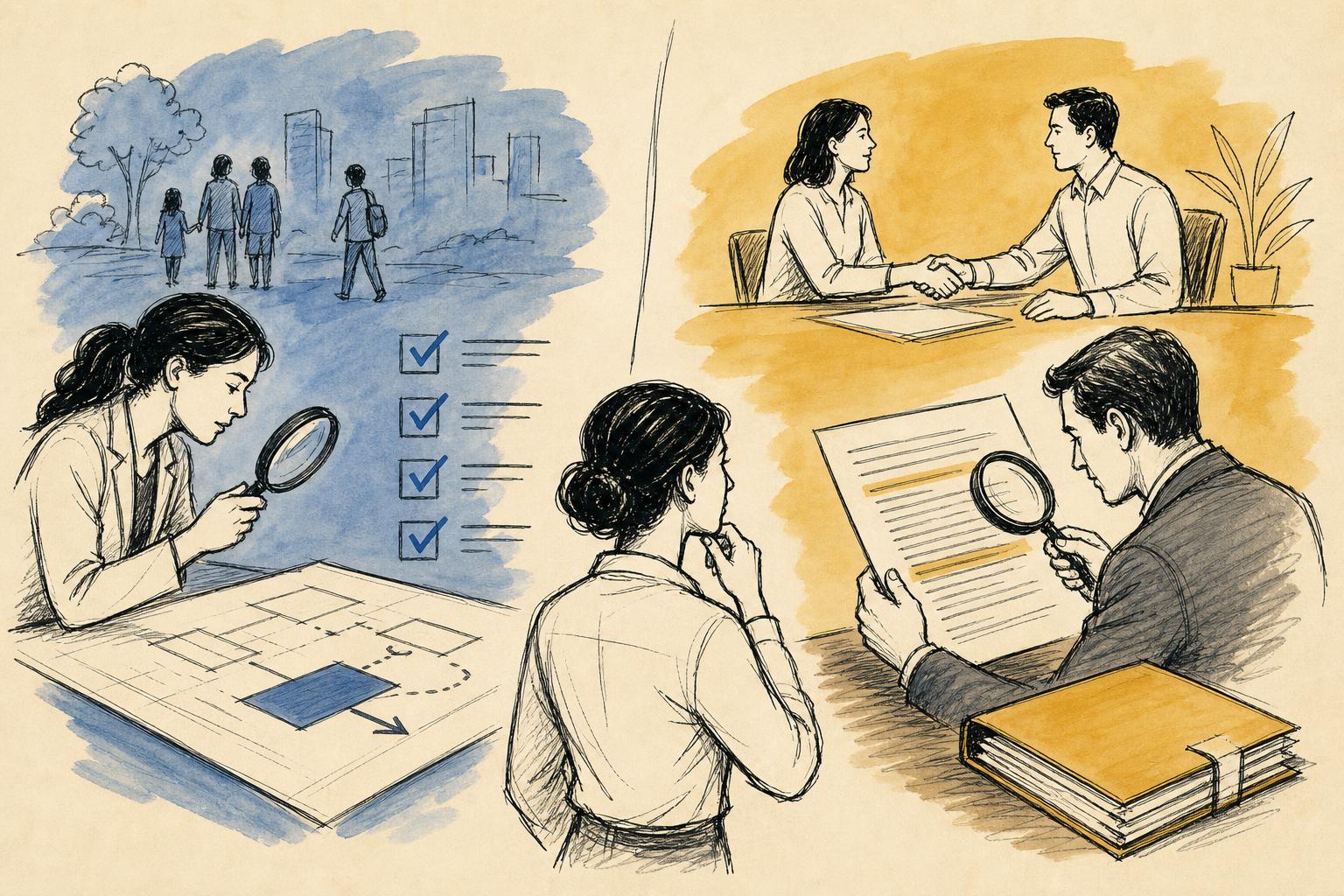
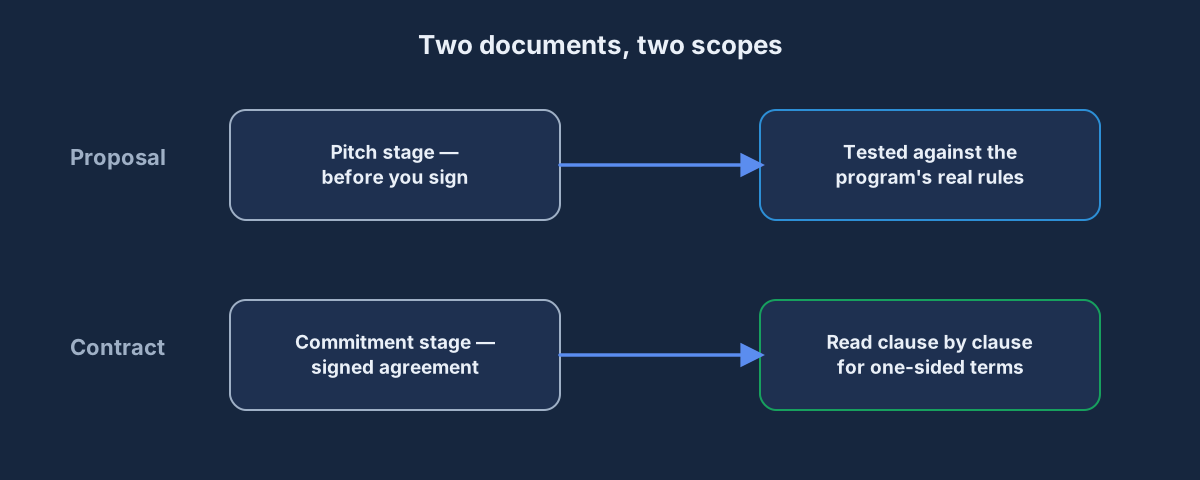
A proposal check tests whether the immigration plan you were sent actually matches the immigration program's real rules. A contract check reads a signed or about-to-be-signed agreement clause by clause and flags terms that are one-sided, missing, or unusual. Both are free and need no account — the difference is what document you're holding and what question you're asking of it.
What a proposal actually is
A proposal is the pitch stage. Before you sign anything, a firm or program representative typically sends you a document laying out a specific pathway: which program, roughly what it costs, what you need to qualify, and how long it should take. It's meant to be persuasive — that's the point of a proposal — which is exactly why it's worth checking before you act on it.
What a proposal check looks for
The proposal check compares the numbers and claims in that document against our database of the program's actual published rules: the real minimum investment or income requirement, the real qualifying steps, the real typical timeline range. It's a plausibility pass. Does the cost figure match what the program actually requires? Does the described sequence of steps match how the program actually works? Are there requirements the proposal glosses over — a background condition, a residency requirement, a dependency on your nationality — that would change whether this pathway even applies to you?
It also looks for the kind of general red flags that show up across proposals: promises that skip a required step, framing that treats a discretionary decision as guaranteed, or a cost breakdown that doesn't add up against the program's public fee schedule.
What a contract actually is
A contract is the commitment stage — you're being asked to sign something with legal weight, usually alongside a payment. This is a different kind of document and a different kind of risk. A proposal can be optimistic without costing you anything yet. A contract can bind you to terms you didn't fully read.
What a contract check looks for
The contract check reads the agreement clause by clause and flags terms that are one-sided (obligations that fall entirely on you, with none on the other party), missing (protections you'd expect for this kind of pathway that simply aren't in the document), or unusual (language that doesn't match how agreements for this kind of program are normally structured). Before any part of your contract is used to improve future checks, real names are replaced with neutral labels — "Party A" and "Party B" — so the review works on the substance of the agreement, not on who's named in it.
This check is closer to what you'd want a second pair of eyes for before signing: refund terms, what happens if the program's requirements change, what you're actually paying for versus what's promised verbally, and whether cancellation is even possible.
Side by side
| Proposal check | Contract check | |
|---|---|---|
| Stage | Pitch stage — before you sign | Commitment stage — signed or about to sign |
| What it is | A plan describing a program, a cost, and a timeline | A binding agreement, usually alongside a payment |
| What the check does | Tests the numbers and claims against the program's real published rules | Reads clause by clause for one-sided, missing, or unusual terms |
| Unchecked risk | An optimistic claim that costs you nothing — yet | Terms you didn't fully read binding you anyway |
Can you run both?
Yes, and many people do. It's common to check a proposal early, before committing to a firm, and then check the contract later once you're about to sign. They're separate documents doing separate jobs, so running both gives you two independent passes instead of one.
What neither one does
Neither check tells you your odds of getting approved — we don't publish success rates or approval percentages anywhere on Immimaps, because we don't have trustworthy data to back a number like that, and a guess dressed up as a statistic would be worse than no number at all. Neither check is legal advice. And neither check reads anything beyond the document you give it — it isn't drawing on complaints, reviews, or stories about the specific firm; it's testing the document itself against the program's real rules.
News and our thoughts — not legal advice or consultation.
Which one should you run first?
If you only have a proposal so far, start there. If you already have a contract in front of you, check that — you don't need to have run a proposal check first. Either way, both checks are free, need no account, and take minutes.
Start with the document check and choose proposal or contract when you get there. More questions about cost, privacy, or turnaround are answered in our FAQ.