Why a Truthful Student Visa Statement Still Led to Refusal
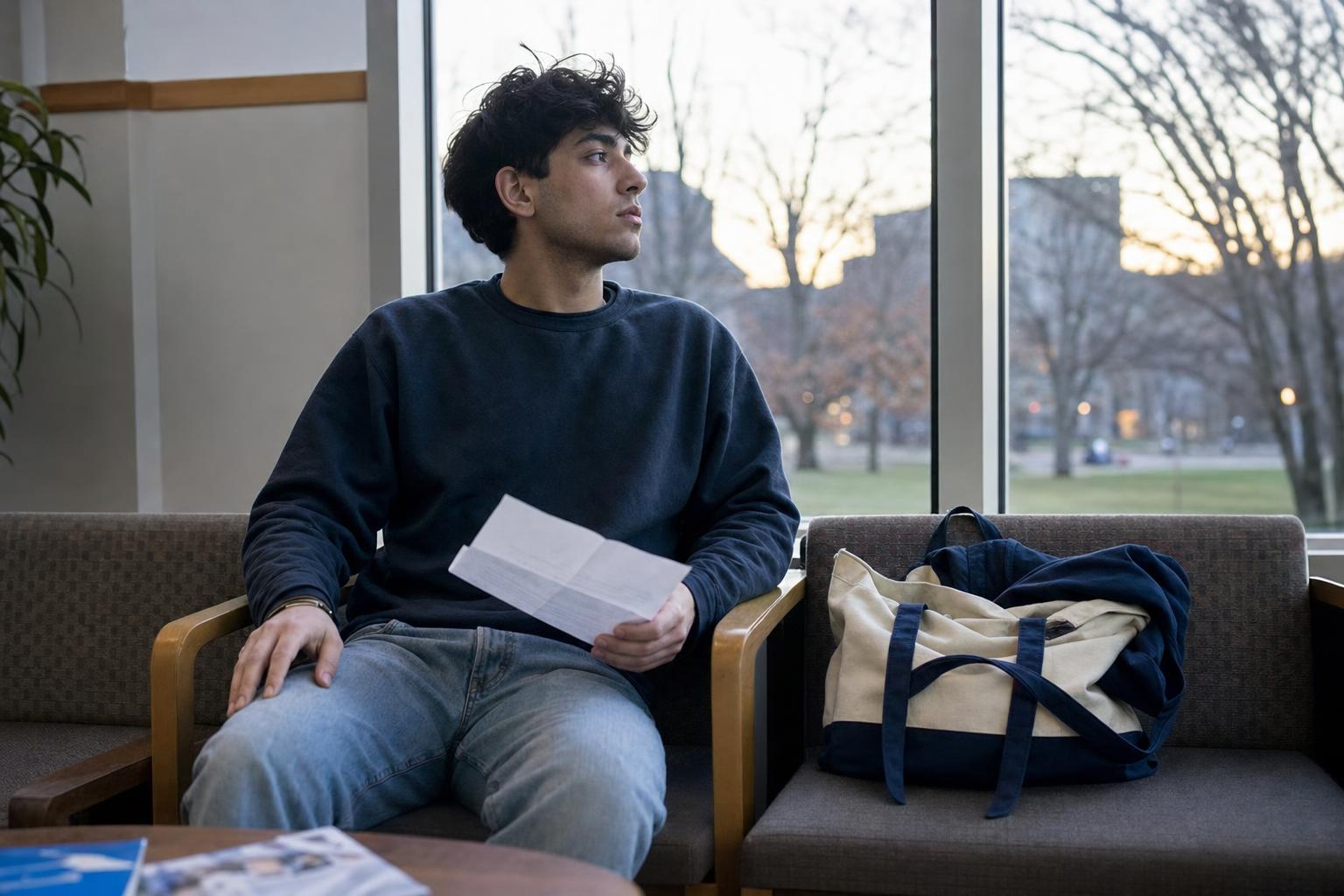
An Indian applicant meant every word of the genuine-student statement. The visa was refused anyway.
The applicant had been accepted into a master's program at the University of Melbourne. Before applying for the Subclass 500 student visa, they wrote a genuine-student statement laying out their intention to return to India once the program ended. It was sincere. It was, by the applicant's own account, true.
The visa was refused.
The refusal letter didn't accuse the applicant of dishonesty. It said the officer wasn't satisfied on three specific points: the value of the course, whether comparable study was available in India, and whether the applicant genuinely intended to leave Australia after finishing. Three separate questions — and the statement, however heartfelt, had only really addressed one of them.
This is the part worth sitting with. The applicant wasn't lying about wanting to go home. That much seems to have been true. But a genuine-student assessment doesn't test whether you're telling the truth. It tests whether specific, checkable claims are demonstrated with evidence the officer can weigh — not just asserted with conviction.
Course value has to be shown, not felt: why this program, why this institution, what it leads to that alternatives don't. Comparability has to be addressed directly: is this course, or something close to it, actually available at home, and if it is, why go abroad for it. Intent to return needs its own supporting facts — ties, plans, circumstances — not simply a paragraph declaring the intention exists.
A single statement written to prove sincerity can be completely honest and still miss all three targets. That's the structural trap here. The applicant answered "do I mean this?" thoroughly. The officer was asking "can this be verified?" — a different question entirely, and the one that actually decides the outcome.
It's a pattern that shows up far beyond student visas. Someone checks whether a person or a claim feels trustworthy, seems sincere, sounds convincing — and stops there. But the question that actually protects an application, a decision, a file, is rarely "does this seem right?" It's "is there evidence for this, on the specific ground being tested?" Those are not the same question, and answering one well doesn't answer the other at all.
In this case, nothing irreversible was lost — the applicant is now weighing whether to reapply with a stronger, more evidenced statement before the course start date closes in, or to let the plan go. But the underlying lesson doesn't depend on what happens next. The refusal wasn't a verdict on honesty. It was a verdict on what had, and hadn't, been demonstrated.
Sincerity was never the test being run. Take your own statement's actual claims to the Australia country guide's document check: https://immimaps.com/articles/guides/country-guides/australia